
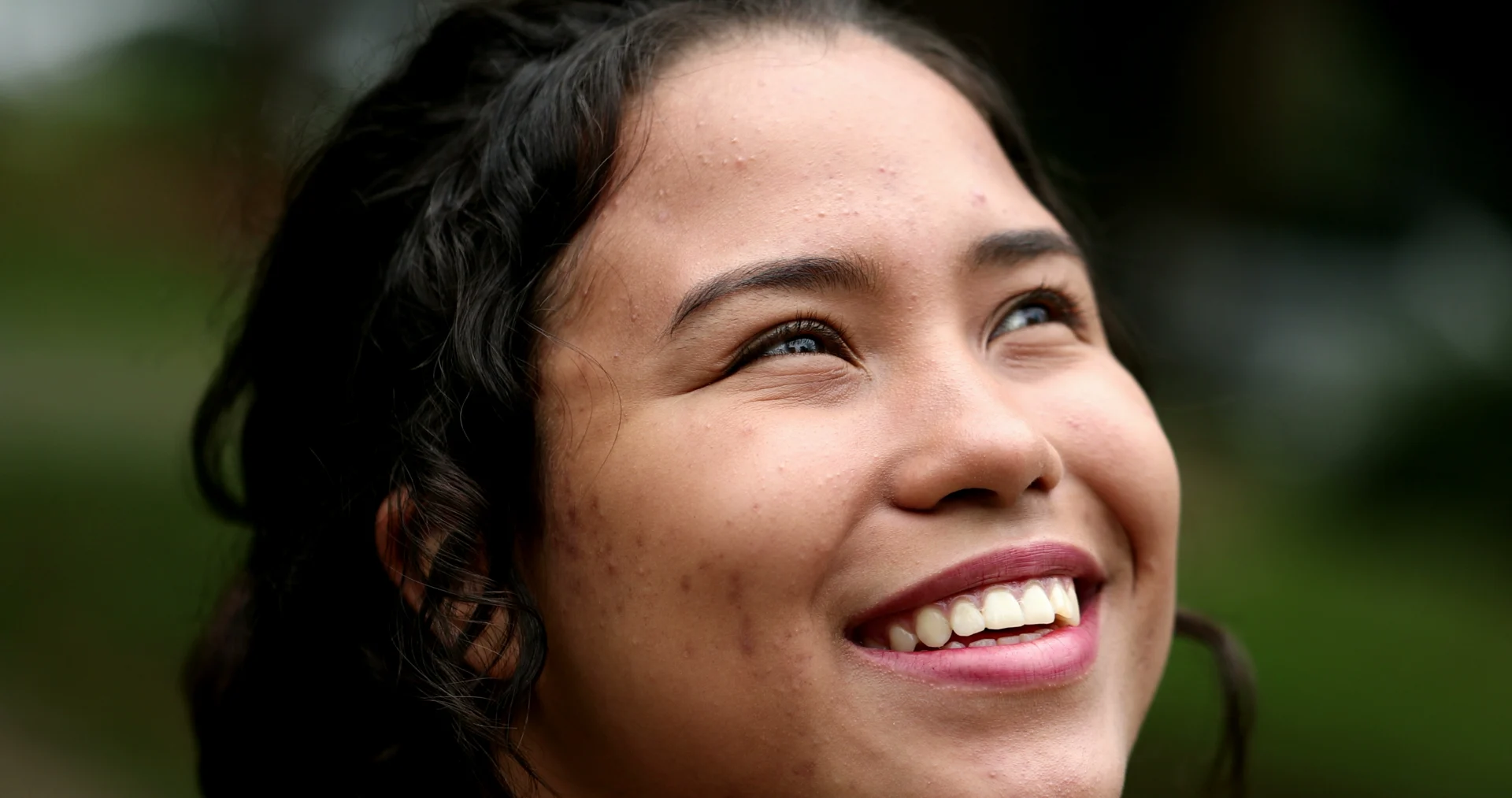
Nurturing Hope in Your Child
Discover evidence-based strategies to help your child develop resilience, optimism, and a hopeful outlook on life. Build the foundation for their emotional well-being and future success.
What Hope Is
Hope is a skill that can be learned and strengthened. It’s a practical way of thinking that helps children (and adults) move toward their goals — even when challenges arise.
As a concept, hope includes three essential components:
Hope-Building Activities
Engage your child with these interactive activities designed to strengthen their sense of hope, agency, and positive future thinking.
Grades 3-6
Goal Builder Game
Help your child pick a small, achievable goal for the week (like learning 5 new vocabulary words or making their bed daily). Together, create a simple chart to track progress and celebrate when they reach it.
Tips:
- Keep goals specific and time-bound
- Use stickers or checkmarks for tracking
- Celebrate effort, not just completion
Pathway Mapping
When facing a challenge (like a difficult homework assignment), sit down together and draw out 3 different ways they could approach it. This teaches flexibility and creative problem-solving.
Tips:
- Use visual diagrams or flowcharts
- Brainstorm without judgment
- Talk through pros and cons of each path
Grades 6-8
Future Self Letters
Have your child write a letter to their future self (6 months or 1 year ahead) describing what they hope to accomplish and why it matters to them. Store it and read together when the time comes.
Tips:
- Encourage specific details about goals
- Include both academic and personal aspirations
- Schedule a ‘reading day’ on the calendar
Obstacle Course Planning
Choose a real goal they’re working toward. Together, identify potential obstacles and brainstorm backup plans for each. This builds resilience and prepares them for setbacks.
Tips:
- Keep it realistic and age-appropriate
- Focus on what they can control
- Revisit and adjust plans as needed
Grades 9-12
Vision Board Workshop
Guide your teen to create a visual representation of their goals for the next 1-3 years. Include college plans, hobbies, relationships, and personal growth. Discuss the steps needed to reach each goal.
Tips:
- Use magazines, digital tools, or drawings
- Display it somewhere visible
- Review quarterly and update as needed
Mentorship Conversations
Encourage your teen to identify someone they admire (teacher, coach, family member) and have a conversation about how that person navigated challenges and setbacks. This provides real-world examples of pathways thinking.
Tips:
- Help them prepare thoughtful questions
- Debrief together afterward
- Connect insights to their own goals
Additional Resources
Deepen your understanding and connect with experts and communities dedicated to fostering hope and resilience in children.
Books
- “The Hope Circuit” by Martin Seligman
- “Mindset: The New Psychology of Success” by Carol Dweck
- “The Optimistic Child” by Martin Seligman
Videos & Courses
- “The Science of Well-Being” – Yale (Free on Coursera)
- “Building Resilience in Children” – TED Talks
- “Positive Psychology for Parents” – Online Workshops
Podcasts
- “The Happiness Lab with Dr. Laurie Santos”
- “Good Inside with Dr. Becky”
- “Raising Good Humans”
Communities
- Local parenting support groups
- Online forums for positive parenting
- School-based parent education programs